
The success of a park construction isn’t necessarily determined on the day of opening. In five, ten or twenty years after its opening is a good time to evaluate the park. Does it still seem easy to keep the bathroom clean? Materials have they been able to withstand the weather and constant use by people? Does the building still look natural when it is in the park? The most important question is: Did the initial design result in a building that actually performs?
The answers to those questions are why selecting the right park building architect requires more than simply comparing attractive renderings. Public architecture must withstand the permitting process as well as bidding, construction and maintenance, and years of daily usage.
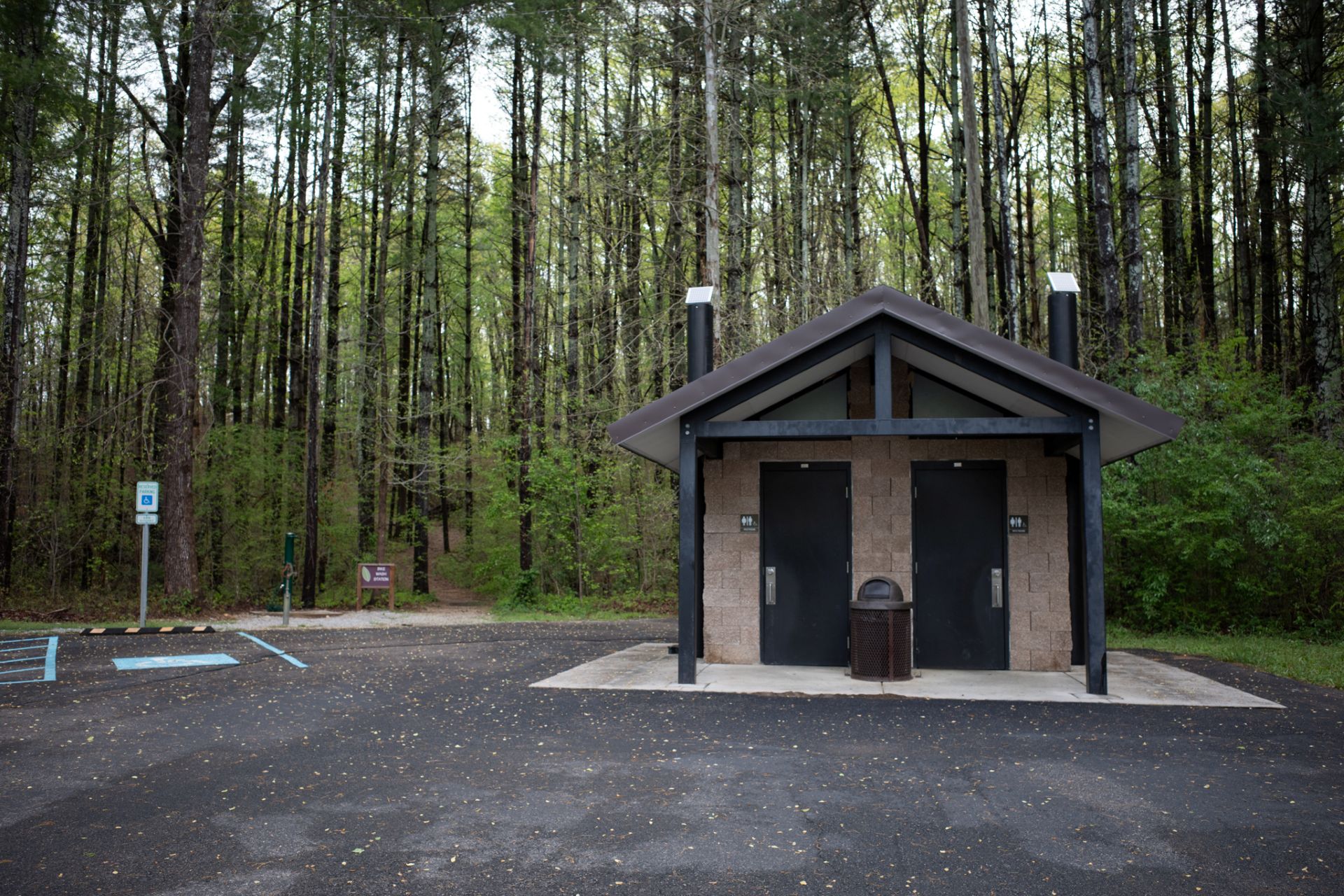
Image credit: romtec.com
Design decisions can have consequences for operations
Think about the finish of the exterior. It has an impact on appearance, but it can impact cleaning requirements as well as repair costs weather resistance, as well as the ease with which graffiti can be addressed. The layout of the roof can boost the appeal of a park while making an impact on the drainage and maintenance. Interior layouts influence access, circulation of visitors cleaning schedules, as well as the location of fixtures.
Experienced best park restroom designers therefore have to think simultaneously about architecture and operation.
Romtec works with landscape architects, contractors, as municipal officials to design custom bathrooms. This is a different approach to standardizing appearances. Materials, shapes, colors as well as fixtures, sidings, and other elements can all be integrated into the development.
The Drawing Needs to Be an actual building
Even if an idea looks great on screen the concept could still create problems in the real-world when it comes to pricing or construction. The building code, ADA requirements and local licensed architectural review, as in addition to the availability of components such as structural requirements, construction cost are all elements to consider.
Romtec supports projects with preliminary designs and estimates, bid plans specifications, renderings, engineered plans, and submittal documents. This involvement helps to carry the architectural concept from early design to procurement and construction.
In assessing the top park bathroom contractor, owners must consider this portion of the work carefully. This is where inadequate specifications, unsuitable materials, and poor coordination could result in costly.
Public Restrooms Are Infrastructure
The public restrooms can be overlooked as component of the park. Operationally, they function much more as infrastructure.
A full restroom can accommodate families and children, seniors, athletes, tourists, maintenance staff, and others with disabilities throughout the same day. Depending on the scope of the project, planners will need to consider ADA accessibility, sturdy surfaces and materials, air conditioning, facilities, vandal resistant components such as energy efficiency, access to washrooms, and capacity for visitors.
A campground may have different requirements that a park within the city. A sports complex may experience high traffic during events, whereas a neighborhood facility may see some moderate, but regular use. The difference in use should impact the structure, rather than being dealt with after construction.
Budgeting without planning everything out
Cost control in public construction is inevitable however this doesn’t mean you have to get rid of every unique feature.
Being aware of the actual construction and material costs prior to construction can allow designers to make better choices when it comes to tradeoffs. A feature with low operational value can be repositioned to a stronger or functional material or a design element that adds greater value.
Romtec’s experience with restrooms, pavilions, concessions, showers, shelters and multi-purpose facilities permits these conversations to happen while designs are still flexible.
A clean and well-designed restroom in a park is successful due to the fact that visitors don’t have to think about it. It’s easy to use, accessible, in keeping with its surroundings, reliable, and designed to last for a long time. Its apparent simplicity hides the complexity of engineering, architecture planning, budgeting, and documentation.