
Color may be exactly right, but several hours in the wig exposes a problem with cap comfort. A second customer likes the convincing hairline, yet would rather avoid spending twenty minutes adjusting lace each morning. A third customer purchases an appealing unit and discovers that its density feels surprisingly heavy.
To a brand selling wigs, these comments represent more than isolated customer reactions. They identify opportunities to create wigs customers genuinely like to wear.
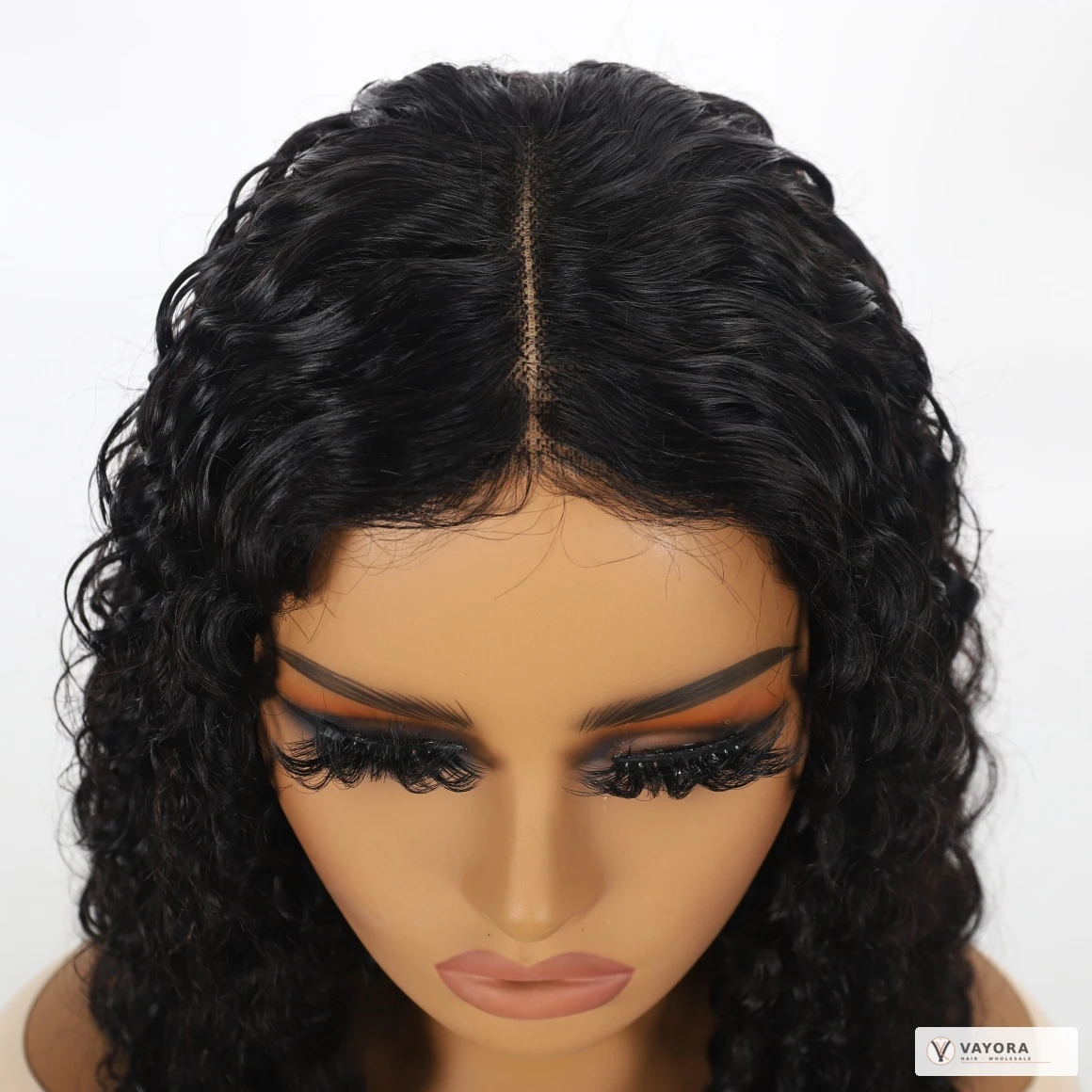
Image credit: vayorahair.com
A strong wig lineup does not have to be defined by the latest viral hairstyle. A collection should begin with an understanding of customer preferences and the experience they want when wearing the unit.
Pay Attention to the Purchase
When wearers express concerns, they generally do not speak in manufacturing language. The language customers use reflects practical priorities: comfort, convenience, appearance, and confidence. The desire to spend less effort getting ready may indicate a need for a glueless design. If customers say the hairline looks unnatural, the team may need to review lace appearance and knot treatment, along with the density or design of the part.
When selecting a human hair wig manufacturer China brands should look for the ability to interpret ordinary customer concerns and convert them into measurable product specifications.
Instead of simply requesting a 22-inch body-wave wig, a buyer can define the intended wearing experience, cap fit, lace construction, hairline appearance, and finished weight. With that information, developers can focus on a clearer target.
Make Your Private Label Collection Recognizable
Rather than defining their own range, many emerging brands follow the styles that are popular today. The outcome may be a product lineup that looks much like those of competing stores.
A collaborative relationship with a private label wig manufacturer China retailers choose can help a brand shape a consistent product identity. A brand could focus on lightweight everyday styles, a premium range with realistic hairlines, or ready-to-wear styles for customers who prefer little preparation. To keep the collection unified, align texture, length, color, density, cap construction, and packaging with the same promise to the wearer. A recognizable product range can encourage repeat visits for reasons other than a limited-time price reduction.
Glueless Wigs Require More Than a Label
The straightforward label “glueless” does not capture the structural features that determine the wearing experience. A comfortable and secure fit depends on cap sizing, adjustment features, attachment components, lace preparation, and hairline design.
A glueless wig manufacturer China buyers choose should help clarify these requirements before production begins. For a range intended for first-time wearers, the priorities may include manageable density, pre-cut lace, and straightforward adjustments. Different customization options might be necessary in a collection aimed at professional hair stylists. One approach is not automatically preferable than the other. Each serves a different customer.
Help Preserve Your Brand’s Reputation Through Sampling
A picture of a wig cannot reveal every aspect of the unit. Does the cap fit properly? How does the hair move? Buyers also need to check whether the color meets expectations and the finished construction matches the approved design. Before a higher-volume order is placed, sampling can help reveal differences.
When a wholesale human hair wigs supplier needs to produce a style repeatedly, recorded product requirements and quality-control procedures are particularly important. Even a well-received first batch may be hard to replicate consistently if there are no clear references.
Design Your Collection for Future Growth
VAYORA works with B2B wig retailers, distributors, and brands to support product development, private label services, sampling, specification control, and workflows for repeated production. Its approach connects customer expectations with the physical details that determine how a wig looks, fits, and feels.
A catalog expansion should follow a thoughtful assessment of customer feedback, identification of the strongest product opportunities, and establishment of clear approval standards. A stronger next lineup might not depend on offering additional styles. What may matter more is reducing compromises in the styles that customers already desire.