
Imagine trying to fit a new hairstyle into a Saturday filled with errands and family commitments. The inspiration photo may already be saved, yet practical questions remain: how much chair time should you allow, what should you do before arriving, and what will everyday upkeep involve? A packed weekend can make even a much-anticipated hair appointment feel like a race against the clock. When the weekend is already crowded with commitments, the practical details of a braiding appointment deserve a place in your plans.
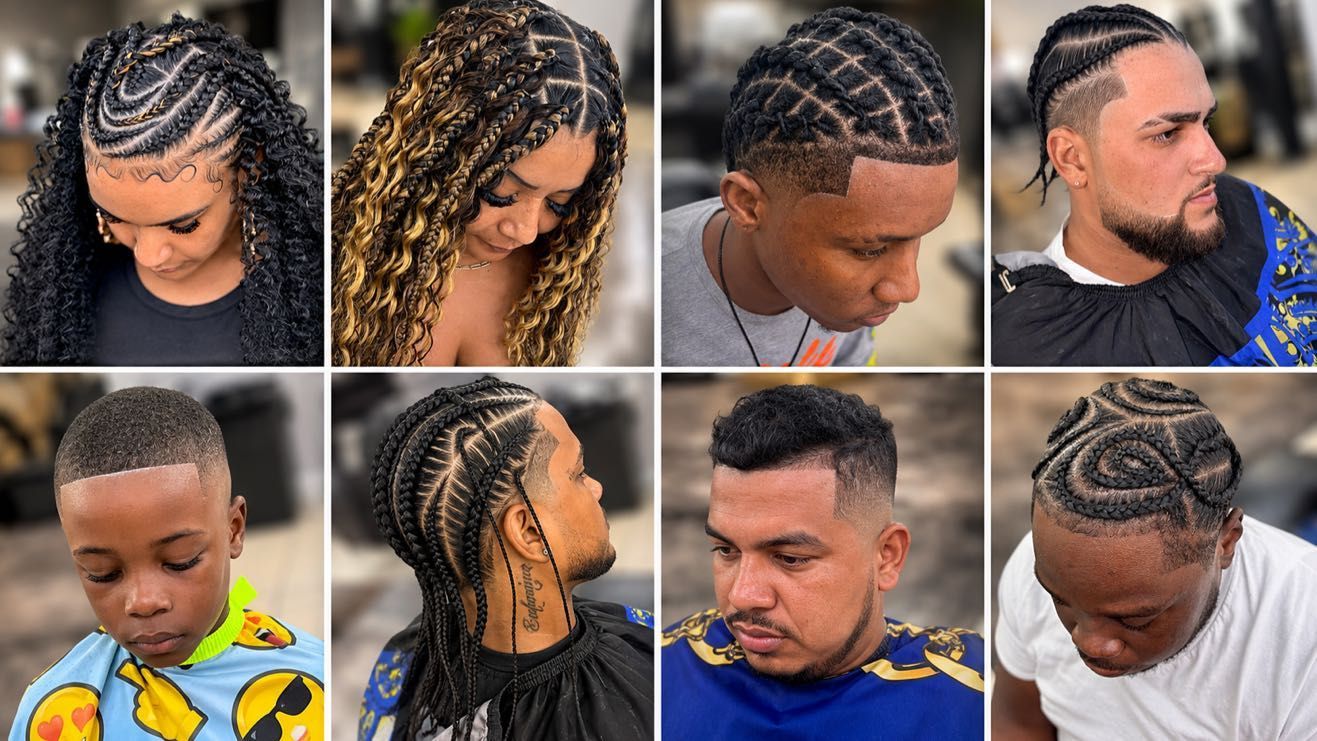
Choosing a braid style is only part of preparing for the appointment. At WOW African Hair Braiding Bissonnet, clients can explore knotless styles, classic box braids, cornrows, and children’s hairstyles. Understanding the differences before booking helps make the experience more enjoyable and the final result better suited to your preferences. A clear understanding of the options can turn an overwhelming collection of photographs into a practical plan. Comparing styles before booking helps separate what catches your eye from what you can comfortably maintain. Knotless braids, box braids, and cornrows can differ in the way they sit on the hair, even when photographs seem hard to compare. The choice between individual braids and scalp-following patterns involves more than personal taste. The aim is not to choose the most elaborate option, but to find a hairstyle you can enjoy beyond the first day.
Good Preparation Starts Before Your Braiding Appointment
Thoughtful planning often makes the appointment easier. Your natural hair, intended braid length, and daily habits should guide the choice. Bring sample images that clearly show your preferred braid size, parting arrangement, and overall finish. Reference photos work best when they show the details that matter to you, including length and finishing. When gathering inspiration, pay attention to the spacing between braids instead of focusing just on the overall impression. An appealing design still needs to be realistic for your desired length, especially if you have previous tension discomfort. A hairstyle that works for one person may need adjustments in weight to suit someone else’s hair. Preparation is easier when you know how your hair should be presented before arriving.
Be specific about size. Fine braids usually involve more individual sections, which can increase time spent braiding and removing the style. Mid-sized braids offer a middle ground, whereas large braids create a stronger visual statement with fewer individual pieces. Smaller sections can create a more intricate overall look, but that detail usually involves additional individual braids. A photograph of tiny braids may emphasize their delicate appearance without showing the number of sections involved. For some customers, medium braids strike a balance between detail and the number of braids. The appeal of a medium-sized style often lies in its flexibility for everyday styling, rather than an especially bold finish. Ask how the proposed size will work with your preferred length rather than assuming that smaller always means better.
At a knotless braiding salon in Bissonnet, discussing braid sizes is useful, but the decision should not stop there. Extension weight, braid length, scalp comfort, and hair-styling routines also matter. Two people requesting the same braid size may experience different levels of comfort because their scalps and routines differ. Even when the requested size is clear, details such as extension weight can change which option is comfortable. Someone who wears braids under a work uniform may need a different balance of section size and flexibility. Everyday habits, including sleeping arrangements, can influence whether a proposed style feels suited to daily life. The useful question is not only which size looks best, but also how you plan to wear it.
Box Braids, Knotless Braids, or Cornrows?
These techniques produce different results. Classic box braids feature distinct individual sections, while knotless braids incorporate extension hair differently to create a more gradual look at the roots. Scalp-hugging cornrows are braided close to the scalp and can form straightforward rows or intricate patterns. Traditional box braids are often recognized by individual braids formed from defined parts, while knotless styles use gradual extension feeding. The difference between traditional box braids and knotless braids is not just a name; it includes how added hair is incorporated.
Clients seeking box braiding services in Bissonnet should consider how much styling flexibility they want and how much time they can devote to maintenance.
Someone who frequently wears updos may have different priorities from someone who prefers leaving their braids down. The right choice depends on your hair and lifestyle rather than whichever style happens to be trending. A customer who leaves braids loose may prioritize the way they fall, while someone who ties them up often may focus on comfort at the hairline. For people who regularly wear work-friendly updos, the relationship between braid weight and scalp tension deserves attention.
Protecting Your Hairline During Braiding
A braided hairstyle is not automatically protective. How it is installed, worn, and cared for determines whether it supports your hair’s needs. The word protective describes a potential benefit, not a guarantee that every installation is gentle. Braiding can reduce some daily manipulation, but that does not mean tension is harmless.
Excessive pulling can irritate the scalp and contribute to hair damage or a condition known as traction alopecia. Speak up as soon as installation becomes painful; discomfort is not something you should endure for a neat finish. Avoid putting additional tension on freshly braided hair through tightly pulled ponytails and buns. Traction alopecia is associated with repeated pulling on the hair, which is why tension deserves attention. Repeated strain on the hair can contribute to traction-related hair loss, making it important to avoid unnecessary pulling. Freshly installed braids can be placed under more strain when repeatedly gathered into high updos. The way you wear your braids afterward can affect the amount of pulling at the roots. Clear communication gives the stylist a chance to reassess tension while the style is being created.
For children or people with sensitive edges, the size and weight of the braids and the amount of pulling deserve extra consideration. Choosing a hairstyle that looks good should never mean ignoring discomfort. Children may be less able to explain which areas are uncomfortable, so caregivers should pay attention to signs of distress. A delicate hairline can make the chosen braid pattern especially important. Adjusting the size, length, or amount of added hair can help align the style with the condition of the natural hair. There is no reason to prioritize a highly intricate pattern over scalp comfort. Comfort is part of a successful appointment, not a secondary concern.
A Convenient Salon Visit Starts With Clear Expectations
Proximity is only one factor when you look up African braiders near me. Consider whether the salon explains options clearly and offers styles appropriate for your family. In Southwest Houston’s Bissonnet area, WOW African Hair Braiding provides established and newer braiding for women, men, and children. A convenient location can make scheduling easier, but it does not replace a clear discussion of services. Finding a nearby salon is only the first step; the next is confirming what the appointment involves.
A few questions before the visit can prevent last-minute surprises. Discuss braid design, finished length, estimated duration, cost, and extension-hair needs so the stylist understands what you expect. A reference image may show the general look you want, but it does not communicate your sensitivity to tension. When describing your preferred style, include details such as how far the braids should fall. The right questions before booking include what the estimated price covers. Knowing the practical requirements in advance helps prevent unexpected changes once you reach the salon. Discussing these points early allows both customer and stylist to prepare for the visit.
What Happens After You Leave the Salon?
After installation, focus on manageable upkeep rather than complicated routines. Protect your hair while sleeping with a satin bonnet or scarf, keep your scalp clean without excessive excess styling-product residue, and allow washed braids to become fully dry. Nighttime protection can reduce rubbing against bedding, although it does not eliminate the need for gentle maintenance. Keeping a braided style looking neat involves consistent, gentle care. Scalp care should balance removing buildup and avoiding irritation rather than relying on excessive styling products. When cleansing braids, take care to rinse appropriately afterward. After washing, thorough drying is an important part of routine hair care.
Know when it is time to remove the braids. Continued irritation, tangling, or breakage are reasons not to extend wear indefinitely. A style’s lifespan should be guided by how the braids are holding up, not simply the desire to postpone another appointment. Braids should not remain in place without regard for changes in the condition of your hair.
Appearance matters, but everyday comfort matters too. By preparing for your next Bissonnet salon visit and caring for the braids afterward, you can enjoy a hairstyle that complements your schedule rather than disrupting it.
A good result should still feel appropriate for family activities after the excitement of the appointment has passed. The real test of a hairstyle is not only the first-day appearance, but also whether upkeep is manageable. The most useful plan connects the style you want with comfort considerations. Making room for questions before the appointment can help you leave with a hairstyle better suited to you. Your next Bissonnet salon visit should be about more than a polished finish: it should support comfort and practicality.