
You might have thought about why a particular test was selected. All three produce pictures of what’s happening in the body. Why aren’t they interchangeable?
Diagnostic imaging today is more of tools in a toolbox. The information provided by each technique is unique, and is dependent on the part of the body you’re studying and the medical question you’re trying to answer. At the Wolfsburg Diagnostic Center, there are a variety of imaging technologies are available so examinations can be matched to various diagnostic requirements.
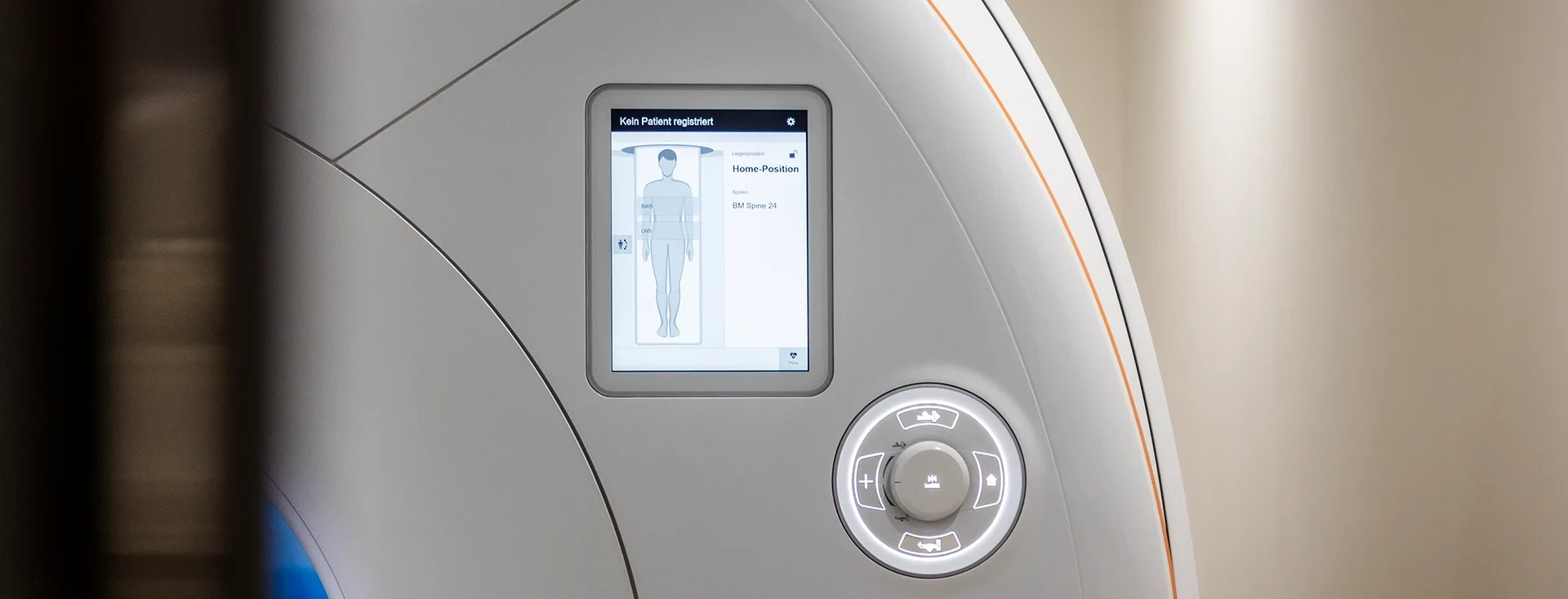
Image credit: diagnostikzentrum-wolfsburg.de
MRI looks at the body With No Ionizing Radiation
Magnetic resonance imaging (MRI) utilizes radiofrequency and magnetic fields to create detailed images. It does not employ radiation that is ionizing. MRI can be used to see soft tissue joints, organs, joints and various internal structures. For example an individual suffering from an issue with their joints might require information that is not possible to obtain from an X-ray.
The Wolfsburg Diagnostic Center also provides specially-designed prostate MRI and complete body MRI examinations. These services are based upon the capability of MRI to create detailed images without the need to expose patients the ionizing radiation.
CT creates detailed Cross-Sectional Views
Computed Tomography is an alternative imaging technique. CT employs X Rays together with computer-generated processing to produce a cross-sectional image of the body to produce precise images. Rather than producing a single normal image, CT allows internal anatomy to be seen as slices, which provides doctors with a new method of investigating certain medical concerns.
The center utilizes low-dose CT the latest technology that reduces radiation exposure to get medical information. CT imaging is also beneficial for treatment. Periradicular Therapy, commonly known as PRT uses CT guidance to pinpoint injections of nerve tissue that has been irritated. To know more, click here röntgen Wolfsburg
The familiar X-Ray Still serves an important job
The advancement of technology hasn’t made conventional radiography obsolete. Digital X-rays are useful in many situations, especially when doctors must examine bones or other structures. Modern digital technology can perform with lower radiation doses as compared to traditional methods.
Sometimes, the most difficult test isn’t the most appropriate one. The best way to determine the diagnosis is to choose techniques based on the clinical question and not based on the latest technology.
Breast Imaging Has Its Own special technology
Mammography is specifically designed for breast cancer diagnostics. Wolfsburg Diagnostic Center provides 3D mammography in addition to the traditional mammography. It’s also referred to as tomosynthesis. This technology can produce multiple images that are then reconstructed in order to present a precise view of the breast tissue. Since different parts of the human body have various diagnostic problems, having special imaging is crucial.
An Old Image Can Make a New Image more useful
The body scan provides valuable information. An earlier scan can be equally useful: Comparison.
When earlier images and findings are available, medical professionals can evaluate changes over time rather than interpret the present examination in isolation. Patients are encouraged to bring previous scans and results to appointments.
It is best for patients to understand the technology once they’re able to utilize it.
The Wolfsburg Diagnostic Center is a combination of CTs, MRIs X rays, 3D Mammography and image guided treatment with a special emphasis on clear communication and well-organized care.
The center offers patients clarified explanations for the exams and medical procedures. Educational videos are also accessible. A coordinated schedule, short waiting times, and a narrow method are all part of the center’s philosophy. Modern diagnostic medicine is based on advanced equipment, but a scan shouldn’t feel like an unanswered technical issue.
Knowing the reasons behind and what to expect from a certain examination helps patients become more educated. This also makes the latest medical technology easier to comprehend.